
Datafication, AI, and Digital Literacy
In my previous reflections, I focused on how AI tools are used, how outputs should be evaluated, and how workflows can be built around them. Reflecting back on the Week 9 discussion between my professor and Dr. Bonnie Stewart, I found that her perspective reinforced a lot of the ideas I had already been exploring, while also helping me understand the bigger picture behind how AI systems work.
What?
In this discussion, Dr. Stewart focused on how datafication and algorithmic systems shape modern technologies, including AI, and how these systems impact education, decision-making, and digital literacy.
She described datafication as the process of turning everyday actions and behaviours into data that can be tracked, analyzed, and used by systems. This includes things like clicks, searches, and interactions, which contribute to larger patterns that can be monetized or used for decision-making.
She explained that modern technologies, including AI, rely heavily on this process, where every interaction contributes to systems that shape what we see, what decisions are made, and how information is presented.
Another key idea was that technologies are not neutral. The systems behind them reflect certain values and decisions, even if that is not always obvious to the user.
She also made a distinction between skills and literacy. Someone can have the skill to use a tool without actually understanding what it is doing or what impact it has. Digital literacy goes further by focusing on meaning, context, and awareness, not just usage.
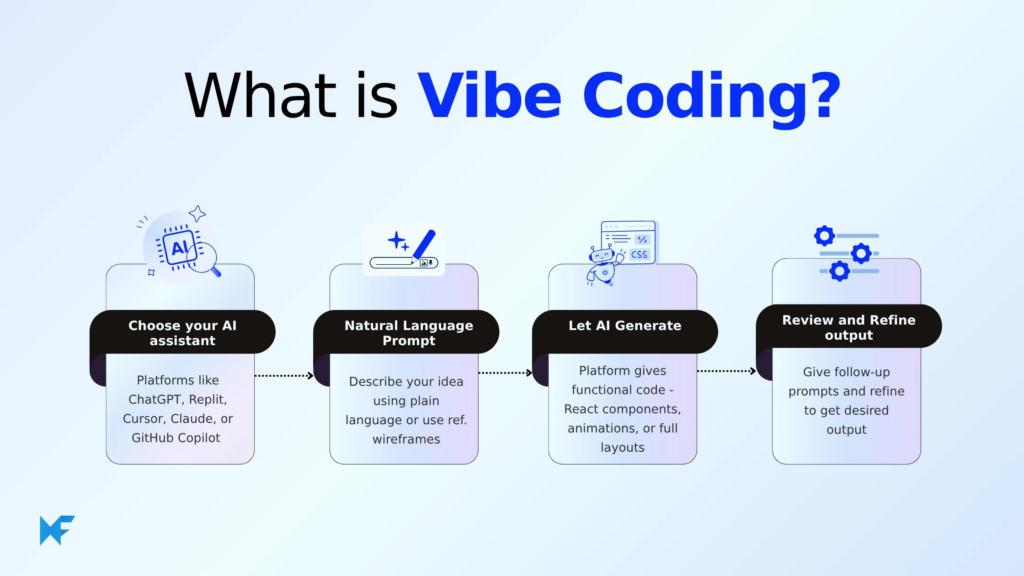
- A good example of this is “vibe coding,” where users rely heavily on AI to generate code with minimal understanding of the underlying logic. A recent preprint study (by Srijan Bansal, Jiao Fangkai, Yilun Zhou, Austin Xu, Shafiq Joty, and Semih Yavuz) shows that while these systems can produce code that appears correct, they often struggle with deeper reasoning tasks such as identifying subtle bugs or fixing them effectively.
So What?
What stood out to me is that this connects directly to what I had already been noticing in my own use of AI. In earlier reflections, I focused on things like verifying outputs, prompting properly, and avoiding over-reliance. This discussion helped explain why those things matter in the first place.
If AI systems rely on datafication, then the outputs they generate are based on patterns in data, not actual understanding. That means even when something looks correct, it might still be incomplete or biased depending on the data behind it.
The distinction between skills and literacy was also important. It is possible to get good at using AI tools without really understanding what is happening behind the scenes. That can lead to overconfidence in the outputs, especially since AI responses are usually clear and well-structured.
Another point that stood out is how these systems try to reduce complexity by turning things into data points. While that can make things more efficient, it can also oversimplify situations where context actually matters. This connects to earlier discussions about AI limitations, where the system might miss important details even if the response sounds correct.
Now What?
Reflecting on this, I want to be more aware of what is happening behind the tools I use, not just how to use them. While improving prompts and workflows is useful, it is also important to understand the limitations of the systems themselves.
I also want to continue developing my digital literacy by thinking more critically about how data is being used and what that means for the outputs I get. This includes being more careful about what I trust and making sure I am not relying on AI without thinking through the response.
Overall, this reflection reinforced the idea that using AI effectively is not just about getting better results, but about understanding where those results come from and what their limitations are.